Welcome back to Weeknotes #6. Last week, CrocoBuilder was still taking early-access registrations and Daveden Builderius Enhancement 2.0 was nearly ready. This week, Crocoblock has opened CrocoBuilder’s public beta and DBE 2.0 has shipped with new HTML authoring tools.
At the Web Creators Toolbox and WPLDN meetups, the bigger question was what happens to web professionals as agencies automate more of discovery, prototyping, iteration and production. The answer may have less to do with any particular tool and more to do with the judgement and purpose we bring to the work.
Let’s get into it.
CrocoBuilder is now available
Crocoblock has long been known for dynamic WordPress tools such as JetEngine and JetSmartFilters. CrocoBuilder brings that experience into a standalone frontend builder built around atomic output, dynamic data and AI-assisted workflows.
The public beta is included with Crocoblock’s All-Inclusive Plus and Lifetime plans, while a standalone subscription is also available. You can see the current options on the Crocoblock pricing page.
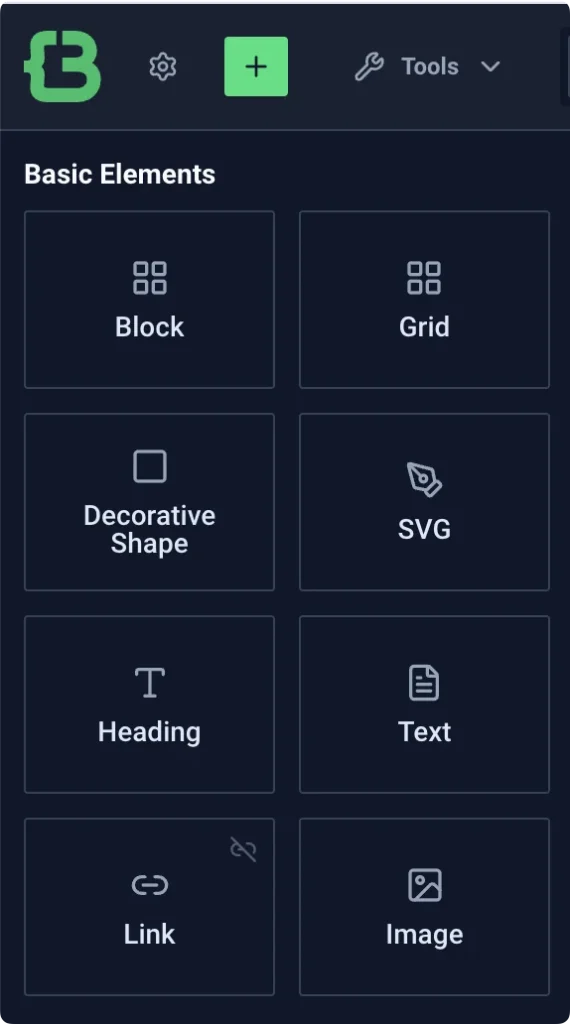
Until now, many Crocoblock users paired its dynamic-data tools with Elementor, Gutenberg or Bricks. CrocoBuilder gives the company its own visual environment instead of relying on another builder’s architecture. Its basic elements are deliberately atomic, so the element placed in the editor maps closely to the element rendered on the frontend. Block and Grid support semantic tag choices, but I would still like more elements to accept any valid HTML tag, as they do in some modern builders.
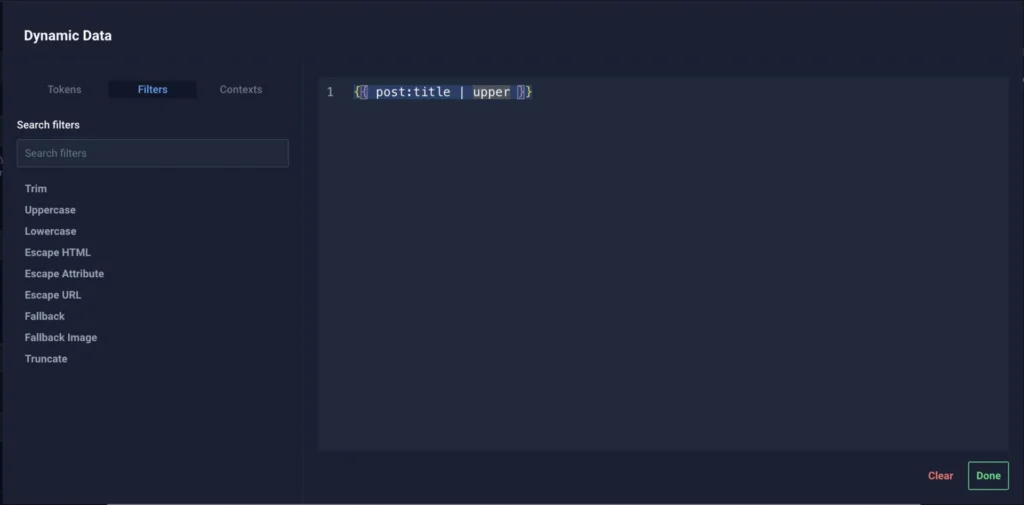
Dynamic data uses a Twig-like syntax. For example, {{ post:title | upper }} returns the current post title in uppercase. Multiple dynamic tokens can be combined with static text in the same field, which feels more flexible than the single-tag pattern I am used to in Elementor and Divi.
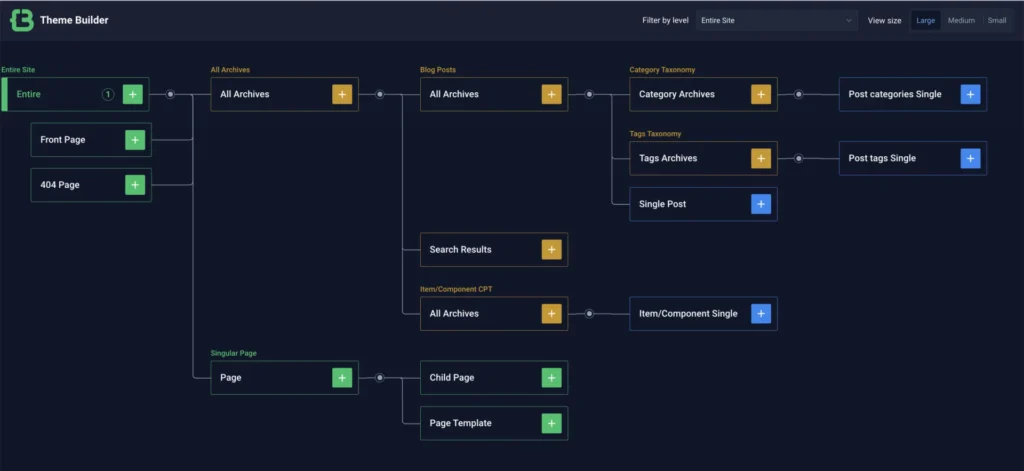
CrocoBuilder also includes role controls for restricting access, a visual Theme Builder for overriding WordPress templates, and a hierarchy view that makes the relationship between archives, posts, taxonomies and pages easier to understand.
GitHub-backed versioning and support for external AI agents are the features I find most interesting. They suggest a workflow closer to modern software development, with visible history and collaboration outside the builder. I have not tested those features deeply enough to judge the everyday experience yet, so I will return to CrocoBuilder after using it on a real build.
DBE 2.0 ships with new HTML authoring tools
Daveden Builderius Enhancement 2.0 is now available. The release focuses on moving between visual building and code more comfortably, while improving accessibility, performance and the everyday editing experience. Version 2.0.1 has already followed with a fix that preserves component names when editing a subtree as HTML.
- Edit as HTML: edit an element and everything inside it as plain HTML, preview the change, then apply it back to Builderius.
- Import HTML: paste markup, preview the elements it will create and turn repeated structures into a Collection.
- Faster structure editing: change an element’s tag, use command-palette shorthand and paste at the selected Navigator position.
- Safer defaults: quick-start presets, clearer settings, improved undo and redo, and a dedicated Accessibility tab.
In its private Facebook community, the Builderius team shared a detailed roadmap (group access required). History and commits are planned as the final major gating feature, followed by the CSS Grid Builder and another round of Sense AI improvements. After that comes feature lock and a series of release candidates, with stable targeted for the first half of September.
The update also credited DBE directly, saying the enhancements plugin was one reason workflow improvements moved up the priority list. That was lovely to read. It is encouraging to see community experiments influence the direction of the main product, and I am looking forward to testing the upcoming history and workflow changes. The public Builderius roadmap and changelog is the best place to follow releases as they ship.
What agency automation means for web developers
The Web Creators Toolbox meetup on 29 July covered email deliverability, sales and automation. The conversation that stayed with me most was about how far one agency has automated its delivery process.
One agency owner explained that automation now handles work previously performed by four junior developers. Initial discovery still involves human conversations, but much of the prototyping, client iteration and final build process is handled with AI-assisted systems. The agency has gradually moved from selling websites towards building systems and software-as-a-service products.
That is impressive operationally, but it raises an uncomfortable question. If junior tasks disappear, where will future senior developers gain the experience that used to come from doing them? The debate is not only about whether AI can complete the work. It is also about how the industry preserves training, judgement and accountability.
Which part of your web-development workflow would you automate, and which part would you deliberately keep human? You can continue the conversation in the Web Creators Toolbox community.
Owning your why at WPLDN’s 150th event
At WPLDN’s postponed 150th event, Raquel Manriquez, owner of WonderlandCurious and an organiser of PressConf, encouraged us not to build our lives around other people’s expectations.
Raquel is also a lead organiser of WordCamp US 2026, and her talk made a practical business case for understanding and owning your why.
She asked four questions:
- What has always mattered to me?
- What do I keep making space for?
- What do I refuse to accept?
- What do people come to me for?
Honest answers make the right work easier to recognise. Your yes becomes clearer, your no becomes cleaner, and decisions stop depending so heavily on other people’s expectations. That feels especially useful when technology and job roles are changing so quickly.
WPLDN’s 150th meetup is a remarkable milestone, and the community turns 18 in August. The next gathering will be a summer social celebrating the anniversary. If you are in London or elsewhere in the UK, you can join the WPLDN Meetup group and come along.
That is a wrap
This week’s stories exposed the same tension from different directions. CrocoBuilder and DBE 2.0 give developers more control while AI handles more execution. Agencies are automating work that once trained junior developers. Raquel’s talk was a timely reminder that purpose and judgement remain much harder to automate.
Which part of website work should always stay human? I would love to hear your answer in the comments.
Comments
No comments yet — be the first.
Leave a comment
Replying to .
Thanks — your comment is in
It's awaiting moderation and will appear after it's approved and the site is rebuilt.